No driveway in Hainault? Alternatives for delivery day
Posted on 18/06/2026
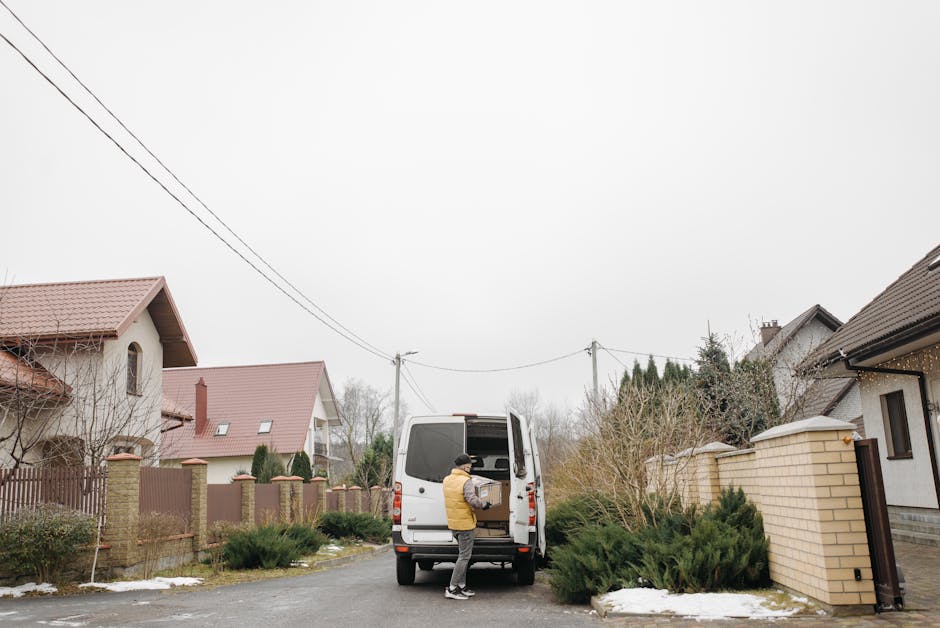
If you live in Hainault and don't have a driveway, delivery day can feel like a small logistical puzzle. The van arrives, the sofa is due, the boxes are stacked, and suddenly the kerb outside looks very narrow indeed. Truth be told, this is common in London streets, especially around older terraces, flats, and tighter residential roads. The good news? You do have options. In this guide, we'll walk through practical alternatives, how they work in real life, and what to plan for so your move or delivery goes smoothly without the stress spiral.
Whether you're receiving furniture, a mattress, appliances, or a full household load, the key is simple: reduce friction before the vehicle even turns up. A little planning goes a long way. And if your move involves bulky items, you may also find our guides on packing like a pro and safer lifting techniques useful as supporting reading.
Why No driveway in Hainault? Alternatives for delivery day Matters
No driveway is not just a minor inconvenience. It changes the whole rhythm of delivery day. Instead of the van pulling neatly onto private land, the driver may need to stop on the street, unload carefully, and navigate parked cars, bins, railings, and passers-by. In Hainault, that can mean working around narrow roads, shared access, or limited waiting space. If you've ever watched a driver circle twice while you stand at the door with a growing sense of panic, you'll know exactly what we mean.
This matters because the delivery isn't only about getting items from A to B. It's about distance, timing, safety, and whether the vehicle can stop without causing a nuisance or a risk. A suitable alternative reduces the time the van spends on the road, keeps neighbours happy, and helps prevent damage to your item or your property. It also makes life easier for the crew, which usually means a calmer delivery for everyone involved.
There's a practical side too. The closer the vehicle can safely get, the less lifting and carrying is needed. That can matter a lot for heavy items like wardrobes, beds, white goods, or a piano. If your delivery includes anything awkward or valuable, you may want to read more about why delicate items often need specialist moving care and how bed and mattress relocation is usually handled.
Short version: no driveway does not mean no solution. It just means the delivery plan needs to be a bit smarter. Small detail, big difference.
How No driveway in Hainault? Alternatives for delivery day Works
The basic idea is to replace private driveway access with another unloading setup that is safe, legal, and workable. In practical terms, that usually means arranging one of a few common options before the vehicle arrives. The right choice depends on your street layout, how much space is outside your home, and what sort of items are being delivered.
1. Kerbside unloading
This is the most common alternative. The van parks as close as possible to your property on the public road, and the crew unloads directly from there. It sounds straightforward, and often it is, but the driver still needs enough room to stop without blocking traffic or creating a hazard. You may need to keep a section of the front area clear for a short period. To be fair, that can be easier said than done on a busy street.
2. Temporary access window
Some deliveries work better if you create a short access window. That might mean asking neighbours not to park in a specific spot for a time, moving your own vehicle earlier in the day, or agreeing a precise arrival slot. This is especially helpful for same-day moves where timing is tight, and it can make the difference between a neat unload and a messy one. If your delivery is urgent, same-day removals in Hainault can give you a useful sense of what quick turnarounds tend to involve.
3. Shared forecourt or communal access
For flats, maisonettes, and shared buildings, the alternative may be a communal parking bay, forecourt, or service area. This often requires a bit of coordination with building management or neighbours. It's worth checking whether the space is actually usable on the day and whether the item can be taken from that point without awkward manoeuvres through tight hallways.
4. Nearest safe stopping point and trolley transfer
Sometimes the van cannot stop right outside at all. In that case, the item is unloaded at the nearest sensible point and moved by trolley, sack barrow, shoulder carry, or manual team lift. This is where planning matters. A 20-metre push is very different from a 120-metre one, especially when there are steps or uneven paving slabs in the mix.
5. Split delivery or staged unload
For larger loads, a staged approach can work well. The van unloads a few key items first, then the rest later when access opens up. It's not glamorous, but it can reduce blocking time and make things far less chaotic. Sometimes boring is best. Boring is efficient.
Key Benefits and Practical Advantages
Choosing the right alternative delivery setup gives you more than convenience. It creates a smoother chain from vehicle to front door, and that affects the whole moving day.
- Less risk of damage: shorter carry distances usually mean fewer bumps, scrapes, and accidental drops.
- Better timing: a good access plan helps the crew unload faster and keep the day moving.
- Lower stress: you are not scrambling for a parking solution while the item is already on the back of the van.
- Safer lifting: fewer awkward carries reduce strain on backs, shoulders, and fingers.
- More neighbour-friendly: a controlled unload is less disruptive than an improvised one.
- Improved handling of bulky items: sofas, wardrobes, beds and appliances all benefit from a more direct route.
Another benefit people sometimes overlook is decision clarity. Once you know where the van can stop, the rest becomes easier to organise. You can move bins, open gates, protect floors, and make a proper path inside. That sounds basic, but basic is often what keeps a delivery from going sideways.
If you are decluttering before delivery, it may also help to read our decluttering tips before moving. Less clutter means fewer obstacles between the doorstep and the room where the item is going. Simple, but very effective.
Who This Is For and When It Makes Sense
This topic is especially relevant if you live in a terrace, a block of flats, a converted property, or any road in Hainault where parking is tight. If you've got a driveway, great. If you don't, or if the driveway is too short for the vehicle, this is for you too. It also makes sense if you're arranging a furniture delivery, white goods delivery, office item drop-off, or a small house move.
It's particularly useful for:
- tenants in flats with limited outside access
- households on narrow residential roads
- students moving into shared accommodation
- families receiving large items during a busy week
- anyone coordinating a delivery with neighbours or building rules
- people who need a quick, same-day solution without a lot of fuss
There's also a commercial side. Local businesses, home offices, and small studios often need deliveries made without a dedicated loading bay. If that sounds familiar, a service such as office removals support in Hainault can be relevant where equipment, desks, or storage units need careful access planning.
And if the delivery is tied to a full household move rather than a single item, the broader guidance in this moving-day checklist for IG6 can help you stay one step ahead.
Step-by-Step Guidance
Here's a practical way to handle delivery day when there is no driveway. You do not need to overcomplicate it. In fact, the simpler the plan, the better.
- Check the street outside your property. Look at where a van could realistically stop. Think about width, bends, parked cars, school-run traffic, and any low-hanging branches or tight corners.
- Measure the walking distance. If the vehicle has to stop a little way down the road, work out how far items will need to be carried. A short walk is fine. A long one changes the labour involved.
- Choose the best unloading point. Pick the safest location, not just the nearest one. A slightly further stop that is safer is often the better choice.
- Clear the route. Move bins, scooters, plant pots, loose cables, and anything that could slow down the carry. If it's wet, make sure the path is not slippery.
- Tell the delivery team what to expect. Be honest about stairs, gates, height restrictions, or awkward entrances. It saves time and avoids awkward surprises at the kerb.
- Protect the inside of the property. Put down floor coverings if needed, especially if the item is heavy or muddy. Hallways do not thank you for a rushed delivery, let's face it.
- Have someone available if possible. One person can guide the route while another checks the door, lifts obstacles, or answers the driver quickly.
- Allow a bit of breathing room. Do not schedule your day so tightly that one late arrival ruins everything. Delivery day rarely cares about your calendar.
For heavier household pieces, a quick read on lifting heavy objects more safely can help you understand when a solo effort stops being sensible and starts becoming a bad idea. That line is thinner than people think.
Expert Tips for Better Results
A few small choices make a surprisingly big difference.
- Book the slot early in the day if possible. Parking is usually easier before the road gets busy.
- Keep communication short and clear. Give the driver a simple update: where to stop, what is being delivered, and whether there are stairs.
- Use a second pair of hands. Even if the item is manageable, an extra person can steady doors, guide corners, and keep the route clear.
- Pre-open gates and doors. Sounds obvious. Often forgotten.
- Protect corners and walls. A blanket, cardboard sheet, or door guard can save you a repair headache later.
- Think about the item itself. A freezer, wardrobe, or sofa needs a different approach, and sometimes different preparation. Our article on freezer storage best practices is useful if your delivery includes an appliance that may not be used immediately.
If your item is soft furnishings, it may be worth reviewing how to handle sofa storage and care as part of the wider plan. A sofa is never just a sofa on moving day. It becomes a puzzle, a lever, and occasionally a doorway nemesis.
One more practical tip: take a photo of the front access before the delivery day, especially if parking changes frequently in your street. It gives you something concrete to refer back to if you need to explain the situation to the team.
![A residential street scene in Hainault, featuring a row of semi-detached houses with front gardens and parked cars along the pavement. In the foreground, a black utility pole with street lighting and a 20 mph speed limit sign is visible, with overhead power lines extending across the sky. The street appears wet, indicating recent rain, with overcast weather casting diffuse lighting. The houses are two-storey, built with brick and siding, and have small front yards bordered by low hedges or fences. Some driveway areas are visible, though there is no driveway in this particular location, which may affect home relocation logistics. Occasional parked vehicles include a silver sedan and a white van, with a narrow, paved sidewalk running along the edge of the street. These elements illustrate a typical UK suburban environment that [COMPANY_NAME], such as Man with Van Hainault, could assist with during packing and furniture transport as part of house removals or moving services.](/pub/blogphoto/no-driveway-in-hainault-alternatives-for-delivery-day2.jpg)
Common Mistakes to Avoid
Most delivery-day problems are avoidable. The issue is usually not bad luck, but bad assumptions.
- Assuming the van can "just stop anywhere." It can't, not safely.
- Leaving the access plan until the morning of delivery. By then, you are already reacting instead of planning.
- Forgetting about neighbours' cars. A space that is free in the evening may be full by 8 a.m.
- Underestimating item size. People often measure the item, but forget the turning space it needs. The angles matter.
- Not checking stairs or lifts. A flat delivery can go from simple to complicated very quickly.
- Trying to lift more than is sensible. This is where backs go twinge-y and tempers go sideways.
There is also a tendency to overpromise to the driver. "It's only a couple of steps," people say, and then there are actually seventeen steps, a landing, and a tight turn. Be precise. It helps everyone.
If your delivery day is part of a bigger house move, our stress-free moving strategies article may help you avoid the same old rushed mistakes.
Tools, Resources and Recommendations
You do not need a van full of specialist equipment, but a few practical tools can make a real difference.
| Tool or aid | Best use | Why it helps |
|---|---|---|
| Furniture blankets | Sofas, tables, wardrobes | Reduces scuffs and edge damage |
| Straps or tie-downs | Securing items during short moves | Keeps large items stable |
| Sack barrow or trolley | Appliances and boxed items | Reduces carrying strain |
| Floor protection | Hallways and thresholds | Protects from marks and dirt |
| Clear labels | Any multi-item delivery | Makes drop-off faster and more accurate |
For packing materials, a dedicated packing and boxes service in Hainault can be useful if you want a cleaner, more organised delivery day. Good boxes are boring in the best possible way. They do their job and stay out of the drama.
If you're delivering into storage rather than directly into the property, then storage options in Hainault can be part of the same plan. Sometimes delivery day and storage day are the same day, and that's fine as long as the route is thought through.
For general service planning and what different move types can involve, a quick look at the services overview can help you match the right level of support to the job.
Law, Compliance, Standards, or Best Practice
When parking and unloading on a public street, the main rule is simple: do not obstruct or create an unsafe situation. In the UK, local parking restrictions, dropped kerbs, access markings, loading rules, and highway conditions can all affect what is possible. Hainault streets may also have specific local constraints, especially where space is limited or traffic builds quickly at certain times of day.
You do not need to become a parking law expert, but you should work on the assumption that public road use must be safe, lawful, and considerate. That means avoiding blocked driveways, keeping emergency access clear, and not forcing a vehicle into a position where it would need to reverse blindly or sit in a traffic lane for longer than necessary.
Best practice also includes manual handling safety. Heavy lifting should be planned rather than improvised, with the right number of people and enough space to move. Our page on health and safety is worth a look if you want to understand the approach behind safe, careful moving work.
Insurance is another sensible consideration. If you are paying someone to move your item, ask how goods are handled, what protection is in place, and whether the operation is covered for the kind of move you need. Nothing flashy. Just responsible due diligence.
If you want to understand how a professional moving business frames safety and customer care, the insurance and safety information and about us pages can provide helpful context.
Options, Methods, or Comparison Table
Choosing the right alternative depends on the item, the street, and how much help you want. This quick comparison should make it easier to decide.
| Option | Best for | Pros | Watch-outs |
|---|---|---|---|
| Kerbside unloading | Most general deliveries | Simple, quick, familiar | Depends on parking space and road width |
| Temporary access window | Busy streets and tight schedules | Reduces waiting and confusion | Needs coordination with others |
| Communal forecourt or bay | Flats and shared buildings | Can bring the van closer to the entrance | May require permission or timing control |
| Trolley transfer from safe stop | Longer carry distances | Allows delivery where direct access is impossible | Needs smooth ground and good handling |
| Split delivery | Larger loads or phased moves | Reduces pressure on one access point | Takes a little more planning |
For smaller household moves, a man and van in Hainault setup can be a very practical fit. For larger family relocations, a more complete house removals approach may be more suitable. It's not about buying the biggest solution. It's about matching the tool to the job.
Case Study or Real-World Example
A typical Hainault scenario looks like this: a family in a terraced house orders a new wardrobe and bed frame for delivery on a Saturday morning. There is no driveway, and the street already has cars parked tightly along both sides. On paper, it looks awkward. Not impossible, just awkward.
They do three things well. First, they clear the front path the night before. Second, they identify a short stretch of road where the vehicle can stop without blocking junction visibility. Third, they tell the delivery crew about the narrow hallway and the stair turn before the van arrives. Nothing dramatic. Just clear information.
On the day, the van parks a little further down than they hoped, but still within a sensible carry distance. The crew uses a trolley for the boxed parts, keeps the heavier pieces wrapped, and takes a few extra seconds at the front door to protect the frame corners. The whole thing takes longer than a driveway unload would have, of course, but it stays calm. No shouting. No rushing. No one ends up with a scratched wall and a bad mood at 9:15 in the morning.
That is the real lesson. A no-driveway delivery can still go well if the access route is thought through in advance. It does not need to be perfect. It just needs to be workable.
For more context around moving tricky items in confined areas, the posts on parking and access for movers and moving from narrow streets near Hainault Station are especially relevant.
Practical Checklist
Use this before delivery day so you are not winging it at the last minute.
- Confirm the delivery time window.
- Check whether the van can stop safely outside or nearby.
- Move vehicles, bins, and clutter from the access route.
- Warn neighbours if a short-term space needs to stay clear.
- Measure doorways, stair turns, and any tight hallway points.
- Protect floors, walls, and corners where needed.
- Prepare tools such as straps, blankets, or a trolley.
- Tell the driver about stairs, lifts, or awkward entrances.
- Keep your phone charged and reachable during the slot.
- Have a backup plan if the nearest space is occupied.
Key takeaway: the best alternative is usually the one that makes the fewest assumptions. Simple route, clear space, honest communication. That's the whole game, really.
If you're planning a fuller move and need help with timing, materials, or a short-notice slot, the page on pricing and quotes can help you think about the next step.
Get a free quote today and see how much you can save.
Conclusion
Not having a driveway in Hainault does not make delivery day a problem. It just means you need a smarter route in and a more realistic plan. Kerbside unloading, temporary access windows, shared bays, trolley transfers, and split deliveries all have their place. The right choice depends on the item, the street, and how much help you want on the day.
What matters most is calm preparation. A few measurements, a bit of route clearing, and honest communication can save you a lot of stress. In our experience, that's what turns a shaky delivery into a manageable one. Not magic. Just good planning.
And honestly, that's a relief. Because delivery day should feel like progress, not a puzzle with a broken lid.


