Removals in Hainault IG6: Essential Move-Day Checklist
Posted on 27/04/2026
Move day has a way of compressing every decision you made over the last few weeks into a single, slightly chaotic morning. Boxes need loading, keys need handover, the kettle is nowhere to be found, and someone always discovers one last item in a cupboard. If you are planning removals in Hainault IG6, the difference between a smooth day and a stressful one usually comes down to preparation.
This guide gives you a practical, step-by-step move-day checklist that you can actually use. It covers what to do before the van arrives, how to protect your belongings, where people often go wrong, and how to keep the day moving without unnecessary drama. If you want a calmer, more organised move in Hainault, start here.
Why Removals in Hainault IG6: Essential Move-Day Checklist Matters
Move day is not the time to improvise. Once the removals team arrives, every delay becomes visible: boxes are not labelled, furniture is still dismantled, the freezer has not been defrosted, and the hallway is full of loose items that should have been packed yesterday. A structured checklist keeps the day moving and reduces the kind of avoidable stress that turns a planned move into a scramble.
For local moves in Hainault IG6, this matters even more because homes, flats, and access routes vary widely. A ground-floor house with a wide drive is one thing; a top-floor flat with limited parking or a narrow stairwell is another. Good preparation helps you make better use of the crew, the vehicle space, and your own time.
It also protects your belongings. Properly wrapped furniture, well-packed boxes, and a sensible loading order reduce breakage, scuffing, and last-minute repacking. If you have bulky pieces or awkward items, a little planning prevents a lot of regret. For instance, furniture care is easier if you think ahead about protective wrapping and transit positioning, something explored well in this guide to long-term sofa care and preservation.
Truth be told, most moving problems are not dramatic. They are small things that were left too late.
How Removals in Hainault IG6: Essential Move-Day Checklist Works
The checklist works by dividing move day into manageable phases. Instead of reacting to each problem as it appears, you move through a sequence: prepare, protect, load, transport, unload, and hand over. That sounds obvious, but in real life people skip between tasks and lose time.
A strong move-day routine usually starts before the van arrives. You should already know what is going first, what is staying with you, and what needs special handling. Boxes should be sealed, fragile labels visible, and furniture paths cleared. Once the team is on site, they can work methodically rather than waiting for decisions.
In practical terms, a good removals day should feel calm and repetitive. Items are removed in a sensible order, heavier furniture is handled safely, and the final walk-through confirms nothing has been missed. If you are still packing at that point, the day will feel longer than it needs to. For packing techniques that support this process, see packing like a pro for a hassle-free move and packing strategies for moving house.
That workflow also helps with specialist items. Beds, mattresses, freezers, and pianos each need a slightly different approach. A blanket rule does not work for everything, which is why planning by item type is usually the safest choice.
Key Benefits and Practical Advantages
A move-day checklist is not just about being tidy. It creates practical advantages that you can feel immediately during the move and later when you unpack.
- Less wasted time: When everything is labelled and ready, the team can load efficiently.
- Lower risk of damage: Fragile items, furniture corners, and electronics are easier to protect when prepared in advance.
- Better budget control: Delays can increase the overall time needed, especially if you are paying by the hour or booking a service with a fixed window.
- Less physical strain: You avoid repeated lifting, awkward carries, and rushed manoeuvres.
- Smoother handover: Keys, meter readings, documents, and final checks are easier to complete when the essentials are organised.
There is also a quieter benefit: confidence. Once you know what happens next, the day stops feeling like a series of surprises. That matters more than people expect. A move is already a big transition; no one needs the added thrill of hunting for bin bags at 8:15 a.m.
If you want the broader move itself to feel less overwhelming, it helps to look at the process as a whole. A useful overview is how to simplify your move with stress-free strategies, which pairs well with a move-day checklist.
Who This Is For and When It Makes Sense
This checklist is useful for almost anyone arranging house removals in Hainault IG6, but it becomes especially valuable in a few situations.
Families moving home: When there are children, school runs, pets, and multiple rooms to clear, a checklist prevents small jobs from being forgotten.
Flat movers: Flats often involve stairs, lifts, parking limitations, and tighter loading access. If you are moving from or to a flat, a plan matters. Local support such as flat removals in Hainault can be particularly helpful when access is less straightforward.
Students: Student moves are often time-sensitive and compact, but they still benefit from an organised checklist. You may not have much furniture, yet the mix of books, electronics, and storage boxes can become messy quickly. For smaller-scale moves, student removals in Hainault may suit the job.
People with heavy or awkward items: Sofas, wardrobes, white goods, and upright instruments need more than enthusiasm. If you are dealing with specialist pieces, planning becomes essential. The same is true for furniture and piano work, which is why pages like furniture removals in Hainault and piano removals in Hainault are worth considering.
Anyone short on time: If your completion date, tenancy handover, or work schedule leaves little room for error, a clear move-day structure helps you make the most of every hour.
Step-by-Step Guidance
Use this as your practical move-day sequence. It is deliberately simple, because simple is what survives under pressure.
1. Confirm the basics first thing
Check the moving time, the address, the contact number for the team, parking arrangements, and any access notes. If there is a booking window, do not assume everyone has the same understanding of it. One quick confirmation call or message can prevent an awkward start.
2. Do a final home sweep
Walk through every room, cupboard, loft area, and storage space. Look behind doors, inside drawers, and on windowsills. People often forget chargers, keys, medicine, children's toys, and paperwork. This is also the moment to remove anything you are carrying personally rather than putting on the van.
3. Prepare access routes
Clear hallways, stairs, entrances, and the path to the vehicle. Remove loose mats, protect vulnerable corners if needed, and move bins, bikes, or garden items out of the way. In a tight Hainault street, a clear route can save several trips of unnecessary shuffling.
4. Separate essentials from loaded items
Create a clearly marked essentials bag or box. It should contain phone chargers, medication, snacks, documents, toiletries, tea or coffee, spare clothes, and anything else you need before the first night. Keep it with you, not buried in the van.
5. Make sure fragile and specialist items are obvious
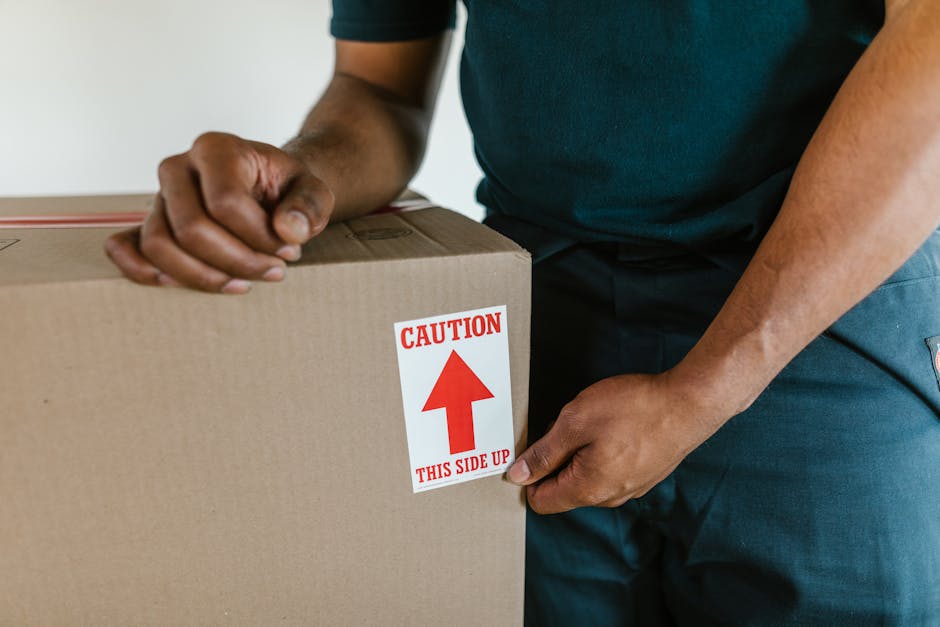
Use visible labels and communicate clearly about anything delicate, valuable, or awkwardly shaped. Mattresses, mirrors, TVs, and musical instruments should not be treated like generic boxes. For beds and mattresses, this practical guide to efficient bed and mattress relocation is especially useful.
6. Check disassembly is complete
If wardrobes, bed frames, desks, or shelving units need to come apart, make sure screws and fittings are bagged and labelled. Tape small fixings to the relevant item or place them in a clearly marked pouch. This one habit saves a surprising amount of hassle on the other side.
7. Defrost and disconnect appliances in advance
White goods need extra care. Freezers should be emptied, defrosted, dried, and left prepared well before moving time. If you need a refresher, this article on best practices for storing your freezer when not in use is a sensible reference.
8. Load in a logical order
Heavy, sturdy items normally go first, followed by furniture, then boxes, then fragile and access-sensitive items as agreed with the team. A good load plan is not random; it protects the van space and makes unloading easier at the destination.
9. Keep a final arrival checklist for the new property
When you reach the new address, check the inventory, inspect obvious damage, and direct items into the right rooms. Put boxes where they belong rather than creating one large mountain in the living room. Your future self will thank you.
10. Finish with a final old-property check
Before handing over keys, do one last empty-property sweep. Check cupboards, lofts, meter cupboards, under sinks, behind doors, and around outdoor spaces. Then lock up carefully and keep the handover documents somewhere secure.
Expert Tips for Better Results
Small adjustments make a big difference on move day. These are the habits that tend to separate a decent move from a genuinely smooth one.
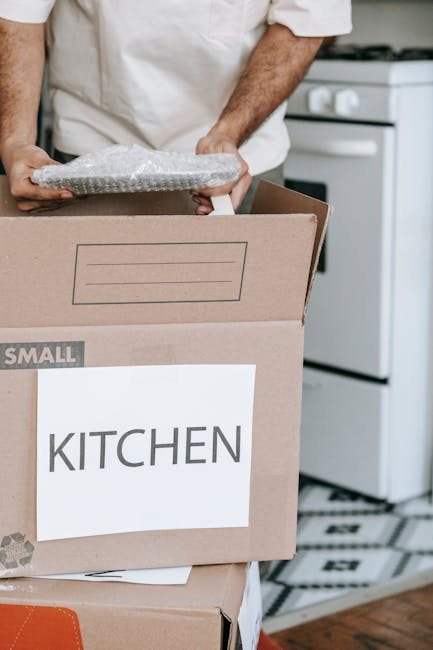
Label by room and priority. Not all labels should say the same thing. "Kitchen - fragile" tells you more than just "Kitchen." If something needs to be opened first, mark it clearly.
Keep weight manageable. Overfilled boxes slow everything down and increase the chance of damage. Heavy items like books are best packed into smaller boxes. There is no prize for making the box impossible to lift.
Protect the pieces that catch the eye first. Sofa arms, table corners, mirrors, and headboards are the parts most likely to be nicked during movement. For sofas specifically, this advice on preserving a sofa during storage and transit is worth a look.
Use lifting technique, not instinct. Safe lifting matters when you are helping with smaller items before the team takes over. A short guide to safer kinetic lifting can help reduce avoidable strain.
Be honest about what should not be lifted alone. Some items look manageable until you meet a staircase or a tight corner. If a piece is heavy, fragile, or awkward, it is better to ask for help than to guess. That is not being cautious; it is being sensible.
Declutter before the loading starts. Every item you do not move is time, space, and effort saved. A focused declutter plan, such as the one in decluttering before moving, can significantly reduce the pressure on the day itself.

Common Mistakes to Avoid
Most move-day setbacks are predictable. The trick is to recognise them before they start costing time.
- Leaving packing until the morning of the move: This usually leads to rushed decisions and poorly packed boxes.
- Using vague labels: "Stuff" and "misc" are not helpful when you are tired and trying to unpack quickly.
- Underestimating access issues: Parking restrictions, narrow staircases, and building rules can change the whole pace of the day.
- Not separating essentials: If your documents or medication are inside a random box, your first evening becomes much harder.
- Forgetting to check special items: Pianos, freezers, antiques, and oversized furniture often need bespoke handling.
- Skipping the final walk-through: This is how people leave chargers, keys, or even entire drawers behind.
One common oversight is cleaning. Even when the move itself goes well, the departure property still needs attention. A practical reference like a house cleaning checklist for movers can help you avoid last-minute cleaning chaos.
Another mistake is assuming safety equipment and insurance are someone else's concern. They are not. If you are booking help, it is sensible to understand how a provider approaches vehicle safety, handling, and cover. You can review insurance and safety information before making your decision.
Tools, Resources and Recommendations
You do not need a van full of gadgets, but a few practical tools make move day much easier.
- Strong packing tape and tape dispenser: Essential for sealing boxes securely.
- Clear labels or markers: Use bold writing so boxes can be read quickly.
- Furniture blankets and covers: Useful for protecting larger items from scuffs.
- Zip bags for fixings: Keep screws, brackets, and small parts with the right furniture.
- Utility knife or scissors: Helpful for unpacking, but keep them safely stored.
- Notebook or move folder: Good for meter readings, contact details, and inventory notes.
If you are still gathering packing supplies, a dedicated source such as packing and boxes in Hainault can help you stay organised. For broader service planning, the services overview is a useful way to see how different move types fit together.
If your move involves storage, keep that decision early in the process rather than treating it as an emergency fix. Short-term storage can buy you breathing room if completion dates shift or if your new property is not ready for every item at once. A local option like storage in Hainault may be worth considering.
Law, Compliance, Standards, or Best Practice
For most household moves, the legal side is straightforward, but there are still sensible standards to follow. Removal work should be carried out with proper attention to safety, access, and care of property. Good operators usually explain how they handle loading, transport, and liability, and they should be able to discuss the practical limits of their service clearly.
If you are moving in a block of flats, a managed building, or shared accommodation, check whether there are building rules around lift use, delivery times, or parking. That is not usually a legal issue in the grand sense, but it is a common source of delays if ignored.
For your own preparation, basic best practice matters more than fancy promises:
- keep walkways clear
- do not overload boxes
- lift carefully and ask for help when needed
- protect floors and fragile surfaces where practical
- make sure appliances are prepared correctly before transport
If you want reassurance about provider standards, it can also help to look at company pages such as about us, terms and conditions, and payment and security. These pages do not replace direct questions, but they do help you judge how transparent a provider is.
Options, Methods, or Comparison Table
Not every move is handled the same way. The right approach depends on your property type, timing, and how much help you need. Here is a simple comparison that can make decision-making easier.
| Approach | Best For | Strengths | Watch Outs |
|---|---|---|---|
| Full house removals | Family homes, larger contents, full relocation | Less stress, more support, better for bulky furniture | Needs stronger planning and clear access details |
| Man and van | Smaller loads, flat moves, flexible schedules | Adaptable and often efficient for compact moves | May require more self-packing and organisation |
| Same-day removals | Urgent or last-minute situations | Fast response when timing is tight | Less room for complexity or extra preparation |
| Specialist item handling | Pianos, antiques, oversized or delicate furniture | Better protection for difficult items | Usually needs more advance detail and planning |
If you are comparing options, it can help to look at the actual move rather than just the headline service. For example, a compact flat move with one sofa and several boxes may suit a lighter service, while a full house move with appliances and furniture usually needs a more complete approach. If you are unsure, a man with a van in Hainault can be a practical middle ground for smaller relocations, while house removals in Hainault may be better for larger jobs.
Case Study or Real-World Example
Consider a typical Hainault move: a two-bedroom flat with a sofa, bed frames, a mattress, a freezer, several book boxes, and a few awkward items like mirrors and side tables. The couple moving had packed most of the boxes, but had not labelled anything beyond "room 1" and "misc."
Before the van arrived, they spent twenty minutes sorting loose items, disconnecting the freezer, and finding the screws for the bed frame. That delay did not sound huge at the time, but it pushed the loading order back and created a bottleneck in the hallway. Once the items were grouped properly, the rest of the move went more smoothly. The bed and mattress were wrapped, the mirror was carried separately, and the boxes were loaded by room instead of by chance.
The real lesson was simple: the move itself was not difficult, but the preparation had to catch up mid-day. With a better move-day checklist, they could have saved time, avoided some frustration, and unpacked faster on arrival.
That kind of scenario is exactly why local removals planning matters. A move is not just transportation; it is coordination.
Practical Checklist
Use this as your final move-day reference. It is intentionally concise and task-focused.
- Confirm arrival time, contact number, and address details
- Check parking and access arrangements at both properties
- Separate essentials: documents, medication, chargers, toiletries, snacks
- Finish sealing and labelling all boxes
- Wrap fragile items and mark them clearly
- Bag screws, brackets, and furniture fittings together
- Defrost, empty, and disconnect appliances in advance
- Clear hallways, stairs, and doorways
- Protect floors or corners where needed
- Check large furniture is ready for loading
- Keep valuables and important documents with you
- Do a final room-by-room sweep before leaving
- Take meter readings if required
- Lock windows, doors, and outbuildings
- Inspect the property one last time before handing over keys
Expert summary: The best move-day checklist does three things well: it reduces delays, protects your belongings, and keeps the whole process calm enough for real decision-making. If you can do those three, you are already ahead of most moves.
If you want support from a team that understands both the practical and the local side of moving, explore the relevant service pages, compare options carefully, and choose the route that fits your property, timing, and workload. A well-planned move in Hainault IG6 is far more manageable than people expect.
Get a free quote today and see how much you can save.
Conclusion
Removals in Hainault IG6 become much easier when move day is treated as a sequence rather than a scramble. A clear checklist helps you protect your belongings, keep the team working efficiently, and avoid the small mistakes that create the biggest headaches.
Whether you are moving from a flat, a family home, or a property with specialist items, the same principle applies: prepare early, label clearly, keep essentials separate, and check everything before the final handover. That is the difference between feeling rushed and feeling in control.
Move day may never be completely relaxed. But it can be organised, predictable, and much less stressful than the horror stories suggest.