Redbridge Council bulky waste and Hainault removals rules
Posted on 04/07/2026

Redbridge Council bulky waste and Hainault removals rules: a practical local guide
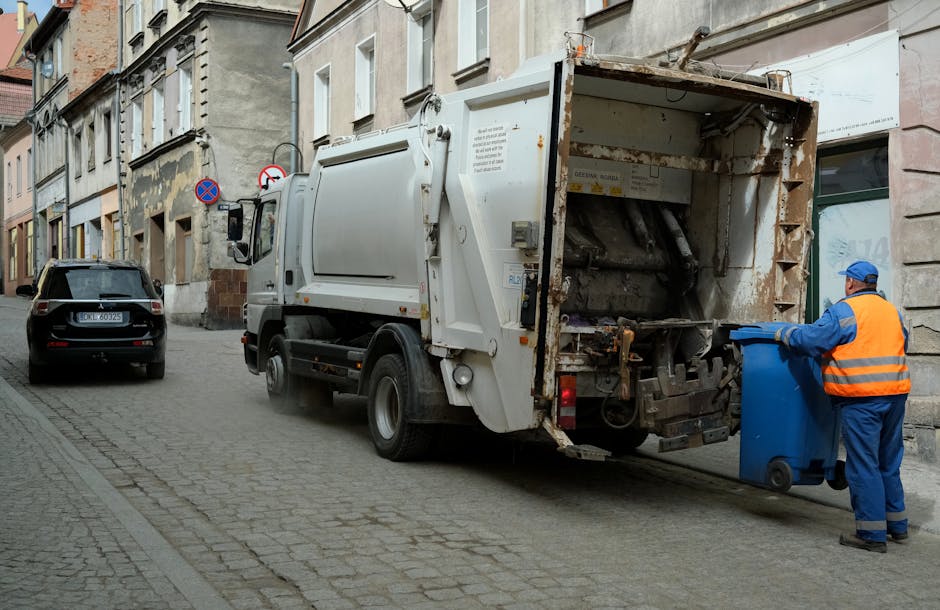
If you are sorting out an old sofa, a broken fridge, or a pile of "we'll deal with it later" clutter, Redbridge Council bulky waste and Hainault removals rules can save you a lot of hassle. The tricky part is that waste, moving, and disposal all overlap a bit in real life. One minute you are clearing a flat in Hainault; the next you are trying to work out whether something counts as bulky waste, whether council collection is the right route, or whether it is safer and cheaper to have it removed with the rest of your belongings.
This guide breaks the topic down in plain English. You will see how bulky waste collection usually fits around a move, what to check before you put items out, when professional removal makes more sense, and how to avoid the small mistakes that turn into expensive delays. Let's face it, nobody enjoys discovering on the morning of a move that a mattress, wardrobe, or old freezer cannot just be left outside with the bins.
Why Redbridge Council bulky waste and Hainault removals rules matters
Bulky waste rules matter because they affect time, cost, access, and responsibility. A chair that looks harmless on paper can become awkward once it is wedged in a narrow Hainault hallway, too heavy for one person, and not eligible for whatever disposal route you thought would be easiest. That is before you even think about parking, lift access, or whether neighbours are likely to complain if something is left on the pavement.
In Hainault, the rules matter even more because local housing types vary a lot. You have family houses, estates, maisonettes, and flats with stairs. Some homes have no driveway. Some have tight front gardens. Some are on roads where a collection lorry or removals van has to be positioned carefully. If you plan badly, you may end up with items blocking a shared entrance or creating a safety issue for pedestrians. Not ideal, and a bit embarrassing too.
The other key reason is waste classification. A removal job is not always just a disposal job. Sometimes the best decision is to move, reuse, or store an item rather than treat it as waste. That is where practical moving guidance becomes useful, especially if you are already dealing with heavy pieces. You may find it helpful to read about safer lifting methods and decluttering before a move if your clear-out is part of a larger relocation.
The short version? Knowing the rules helps you avoid: unnecessary collection fees, missed collections, illegal dumping risks, and last-minute panic on moving day.
How Redbridge Council bulky waste and Hainault removals rules works
At a practical level, bulky waste usually means household items that are too large for normal bin collection. Think sofas, mattresses, wardrobes, tables, chairs, white goods, and other large domestic items. The exact collection rules can change, so the sensible move is always to check the current Redbridge Council process before you book or set anything out. Councils often have specific booking methods, item limits, and placement instructions.
For most residents, there are three common routes:
- Council bulky waste collection for a small number of domestic items that meet the council's conditions.
- Private removals or man and van services when you are moving house, clearing multiple rooms, or dealing with awkward access.
- Reuse, donation, or transfer to storage when the item is still usable or you are not ready to make a final disposal decision.
The difference between these routes is not just cost. It is also about control. Council collection can be convenient for one or two items, but it may not be flexible enough if you are clearing a whole property, working to a deadline, or removing furniture from a top-floor flat. If you are moving from a flat, for example, planning around stairs and timings is often just as important as the disposal route itself. This is where a guide like moving into Hainault flats with stairs can be surprisingly relevant.
In Hainault, removals also intersect with parking and access. If a van cannot stop near the property, lift times increase, items are carried further, and the whole day gets more complicated. Some streets are straightforward; others are not. If you are moving near station approaches or busier roads, it helps to think ahead about access, loading distance, and where a bulky item can safely wait while being moved out.
What usually counts as bulky waste?
Most councils treat large household items as bulky waste, but not everything can be collected the same way. General examples include:
- sofas and armchairs
- mattresses and bedsteads
- tables, desks, and chairs
- wardrobes and shelving
- fridges, freezers, and washing machines
- other large domestic items that will not fit in ordinary bins
Some items may need special handling because of weight, safety, or environmental rules. A freezer, for instance, needs careful planning if it is still in use or has to be stored before removal. If that sounds familiar, the article on best practices for storing a freezer may help.
What usually makes removals different from waste collection?
Removal is broader. It can include moving items to a new address, taking furniture into storage, or clearing a property after a move. Waste collection is about disposal only. That may sound obvious, but people mix the two up all the time. A sofa being taken to another address is not bulky waste. A sofa being thrown away is.
That distinction matters because you may need a removals plan rather than a disposal plan. If you are moving furniture and also getting rid of some items, a mixed approach is often the cleanest solution. In practice, that might mean keeping the good dining table, removing the old bed, and storing the spare chest of drawers. Simple enough, until you are standing in the hall with three different decisions and not enough tea in the cup.
Key benefits and practical advantages
Getting the rules right brings a few very real benefits. Not glamorous ones, maybe, but useful ones. First, it saves time. If you know what the council will and will not collect, you are less likely to spend a morning moving heavy items twice. Second, it can lower stress. There is a huge difference between a controlled clear-out and a frantic one.
Here are the main advantages:
- Cleaner planning: you can separate disposal, donation, storage, and removal before moving day.
- Safer handling: bulky items are lifted and moved with fewer rushed mistakes.
- Better property access: hallways, stairwells, and shared entrances stay clearer.
- Reduced trip hazards: loose items are not left around while you wait for collection.
- Less wasted money: you avoid paying for the wrong service or booking twice.
There is also a less obvious benefit: it helps with end-of-tenancy or move-out cleaning. A clear room is much easier to clean properly. If you are preparing a property to hand back, this can make the final sweep much easier. A lot of movers also use a structured cleaning routine, which is why a house cleaning checklist for movers can be handy when you are balancing disposal and departure.
And yes, if you are dealing with furniture that is still useful, a removal approach can protect value. An old but usable sofa, for example, may be better moved into storage than thrown away on the spot. There is a practical reason we often suggest people think in terms of "keep, move, store, or dispose" rather than "dump or keep." It's a small shift, but it changes everything.
Who this is for and when it makes sense
This topic is relevant to a lot of people in Hainault, not just those who are moving house. It is for anyone who needs to deal with large household items in a way that is lawful, tidy, and not a total headache.
- Home movers who are reducing what they take to a new property.
- Tenants clearing a flat before checkout.
- Landlords and letting agents managing abandoned furniture or move-out leftovers.
- Families replacing old furniture room by room.
- Students leaving a shared property with bulky items to sort out.
- Small offices replacing desks, chairs, or storage units.
It makes sense to use council bulky waste collection when you have a small number of eligible items, you are not in a rush, and access is straightforward. It makes more sense to use a removals service when the job involves multiple rooms, heavy or awkward furniture, stairs, parking constraints, or a same-day deadline. If speed matters, a local option such as same-day removals in Hainault may be the more practical route.
It also makes sense to think beyond the item itself. Are you also boxing up keepsakes? Are you shifting a bed frame? Do you need storage for a week while decorators finish? That is the real-world situation most people face. Rarely just one item. More often a messy cluster of decisions, all arriving at once.
Step-by-step guidance
If you want the least stressful outcome, work through the process in order. This keeps the job organised and reduces the chance of forgetting something important like access arrangements or item restrictions.
- Make a room-by-room list. Write down every item you want to keep, move, donate, store, or dispose of.
- Separate reusable items from waste. If something is still in decent condition, it may not belong in the waste pile at all.
- Check the current Redbridge collection process. Confirm what can be collected, how many items are allowed, and how items should be presented.
- Measure awkward furniture. Large sofas, wardrobes, and beds often fail at doorways, not on paper.
- Assess access. Look at stairs, lifts, parking, narrow front paths, and whether anything blocks the route out.
- Choose the right disposal or removal method. Council collection for a small eligible load, removal service for a full clear-out, storage if you are undecided.
- Prepare items safely. Remove loose drawers, tape cords, and protect floors and walls where needed.
- Book or schedule in good time. This matters more than people think, especially around month-end or school holidays.
- Set items out correctly. Follow the collection instructions exactly. If the council expects items in a certain place or by a certain time, do that.
- Keep a fallback plan. If the weather turns, access is blocked, or one item cannot go out, you need a backup.
One useful habit is to stage the items the day before, not the morning of collection. That gives you time to notice problems like a missing handle, a broken wheel, or an item that is simply too heavy to move alone. If you need a refresher on safe handling, the guide on lifting heavier items safely is worth a look.
For moves involving multiple bulky pieces, packing also matters. It is not just about cardboard boxes. It is about sequencing. The wrong sequence turns a tidy move into a muddle. If you want a stronger overall moving rhythm, the article on packing like a pro is a solid companion read.
Expert tips for better results
Here is the honest advice we'd give someone over the phone: do not wait until the last day to decide what stays and what goes. The earlier you sort it, the easier everything becomes. The first pass is usually the rough one. The second pass is where the decisions get smarter.
Tip 1: reduce the item count before you book anything. A lot of people ask for help with "a few bits," then realise the hallway contains three chairs, a broken bed base, a freezer, and half a wardrobe. That changes the job completely.
Tip 2: check weight and size together. A light but large item can still be awkward. A narrow hallway can defeat a surprisingly small piece of furniture if the angles are wrong.
Tip 3: protect the property first. In a Hainault flat, stair rails, corners, and front doors are often the first things to get scratched. Blankets, covers, and a bit of patience help more than people expect.
Tip 4: combine disposal with decluttering. If you are already moving, take the opportunity to cut the load. Less to move, less to store, less to clean. Simple. A good starting point is decluttering before you move.
Tip 5: match the service to the item. A bed frame may need different handling from a sofa, and a piano is in a category of its own. Honestly, piano moves are a different sport altogether, which is why the article on why professional piano moving is recommended is a good reminder that not all bulky items belong in the same plan.
Tip 6: think about storage as a bridge, not a burden. If you are unsure whether an item is being kept, sold, or moved later, storage can stop you from making a rushed disposal choice. That little pause can save money and regret.
Common mistakes to avoid
Most problems are surprisingly ordinary. Not dramatic. Just annoying. And avoidable. Here are the ones we see most often.
- Leaving items out too early. This can create obstruction, complaints, or weather damage.
- Assuming every large item is accepted. Different items may have different conditions.
- Mixing waste with moveable belongings. That is how things go missing.
- Ignoring access. Tight stairs and no parking can double the effort.
- Underestimating lifting risks. One awkward bend and the whole day changes.
- Forgetting cleaning duties. If you remove the furniture but leave the mess, the room still does not feel finished.
- Using the wrong service. A bulky waste booking is not the same as a removals booking.
The biggest mistake is thinking the job starts with the lift. It doesn't. It starts with the plan. Truth be told, most of the hard work is done before anyone touches the item. That is where the win is.
Tools, resources and recommendations
You do not need specialist kit for every move, but a few basics make life easier. A decent moving trolley, furniture blankets, tape, gloves, labels, and straps can make bulky handling much safer. For heavier items, the right lifting technique matters more than brute strength. Back strain is no badge of honour, and nobody needs it.
Useful preparation often includes:
- measuring tape for doorways, halls, and stair turns
- strong gloves for grip and protection
- blankets or pads to prevent damage
- labels or tape for item identification
- boxes or bags for loose fittings, screws, and cables
- basic cleaning supplies for final wipe-downs
For many Hainault customers, the most useful "resource" is simply a clear plan and a reliable local service that understands access issues. If you need help with furniture, a local furniture removals service can be a practical option, especially where the item needs to be carried carefully through tight spaces. If you are moving more than just furniture, it may help to look at removals in Hainault or the broader services overview to see how a fuller move can be organised.
For people balancing move day and temporary storage, choosing the right bridge solution matters. A short-term storage plan can stop you forcing decisions before you are ready. That said, keep it practical. Storage should support the move, not become a hiding place for three years' worth of "I might use this later." We have all been there, a bit.
Law, compliance, standards, or best practice
For bulky waste and removals, the safest approach is to follow the current council instructions, use lawful disposal channels, and avoid leaving items in places where they could obstruct the public highway or create safety issues. In the UK, household waste must be handled responsibly, and businesses moving or clearing items should also be careful about duty of care, safe handling, and correct disposal routes.
Best practice usually means:
- checking what the council currently accepts
- keeping items separated and clearly identified
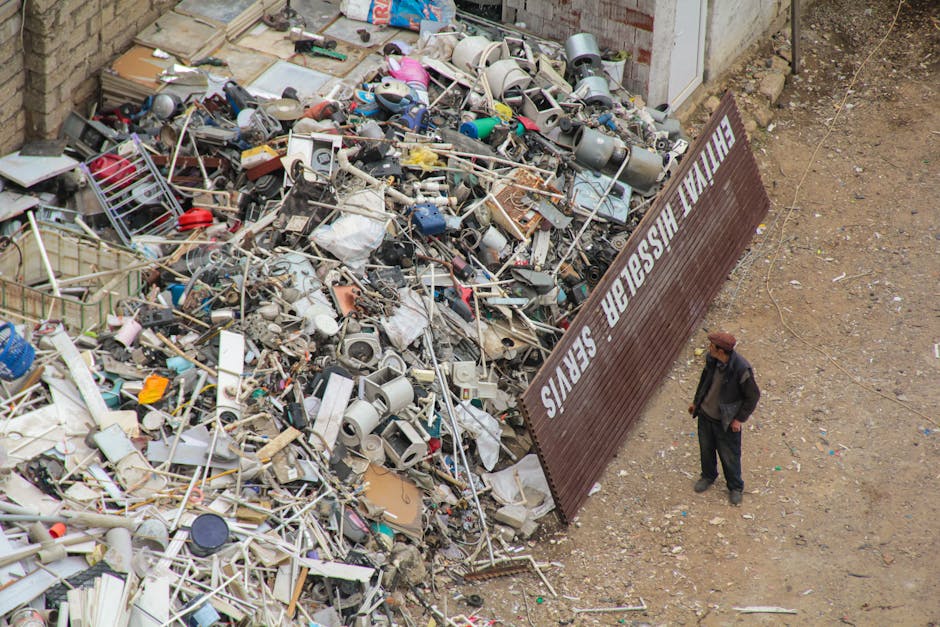
- avoiding illegal dumping or fly-tipping
- using appropriate lifting and loading methods
- protecting common areas and shared access routes
- making sure any service you use is suitable for the job
If you are dealing with furniture or appliances that may be reused, sold, or recycled, it is sensible to think about the environmental side too. That is where a careful approach to recycling and sustainability can help you make a better choice than simply treating everything as rubbish.
One useful standard to keep in mind is common sense paired with caution. Not every item should be dragged, tipped, or left out for collection without thinking. Heavy loads, sharp edges, broken glass, and electrical items need more care. If you are unsure, stop and reassess. That pause is often the difference between a smooth job and a mess on the pavement.
Options, methods, or comparison table
Choosing the right route depends on how much you need to remove, how quickly you need it gone, and how awkward the access is. This comparison keeps it simple.
| Method | Best for | Pros | Limitations |
|---|---|---|---|
| Council bulky waste collection | Small number of eligible household items | Simple for limited loads, no van hire needed | May have item restrictions, collection dates, and placement rules |
| Private removals service | Moves, clear-outs, multi-room furniture removal | Flexible, faster, suited to stairs and access issues | May cost more than council collection for a single small item |
| Storage first, decision later | Items you may keep, sell, or pass on | Reduces rushed disposal, buys time | Not a final solution; needs a second step later |
| Reuse or donation | Good-condition furniture and appliances | More sustainable, may help others | Items must be suitable, clean, and usable |
There is no one best answer for every household. A student flat with one mattress to clear is a very different story from a family house full of mixed furniture. If your move involves a flat, stairs, and a tight schedule, flat removals in Hainault may be a better fit than a disposal-only approach. If it is a bigger property, you may want to compare broader options such as house removals in Hainault or man and van Hainault support for smaller loads.
Case study or real-world example
A fairly typical Hainault scenario goes like this. A couple is moving out of a two-bedroom flat near a busy road. They have a bed frame, an old wardrobe, a sofa that has seen better days, and a freezer they no longer want. At first, they think a council bulky waste booking will cover everything. Once they measure the access and check the timings, they realise the move is more complicated.
The wardrobe is too awkward to leave for a standard collection because of the stairwell layout. The sofa is still usable, so they decide to keep it in temporary storage while they decide whether to sell it. The freezer needs proper handling and cannot just be shifted casually. The final plan becomes a mixed one: one item booked for disposal, one item moved into storage, and the rest removed as part of the move. That is usually how it works in real life, by the way. Rarely neat, always practical.
The payoff? No blocked hallways, no rushed last-minute decisions, no scratching the stair banister, and no surprise on collection day. The whole move feels calmer. Not perfect. Calmer. And that is a win.
That same logic applies if you are moving from a tricky street or dealing with access around Hainault station. It is often better to plan the load, parking, and item sequence in advance. A short read like alternatives for delivery day when there is no driveway can give you ideas for awkward access situations.
Practical checklist
Use this checklist before you book collection or arrange a move. It keeps the process grounded and stops you missing a boring but important detail.
- List every item you want to remove
- Separate waste, reusable items, and storage items
- Check the current council bulky waste rules
- Measure large furniture and key doorways
- Confirm access, parking, and stair arrangements
- Decide whether the job is disposal, removal, storage, or a mix
- Protect floors, corners, and shared spaces
- Remove loose parts and secure cords or drawers
- Book the correct service in enough time
- Stage items safely and keep routes clear
- Prepare cleaning supplies for after the load is removed
- Keep a backup plan if access or timing changes
If you are moving a full household, it also helps to link the checklist with packing and move-day planning. The more the tasks overlap, the more likely it is that one forgotten chair or box causes a delay. A helpful companion read is the Hainault move-day checklist, especially if your bulky items are part of a bigger relocation.
Conclusion
Redbridge Council bulky waste and Hainault removals rules are not really about paperwork for the sake of it. They are about making a messy job safer, quicker, and more predictable. Once you understand the difference between disposal, removal, reuse, and storage, the rest becomes much easier to manage. And in a place like Hainault, where access can vary street by street, that clarity is worth a lot.
The best outcome usually comes from matching the method to the item. One small item may suit council collection. A full flat clear-out may need a removal plan. A good-condition sofa might deserve storage for a while. There is no prize for forcing everything into one method if it does not fit.
And if you are still weighing things up, do not rush the decision just because the room looks chaotic. A careful hour now can save an entire afternoon later. That's the bit people rarely regret.
Get a free quote today and see how much you can save.